Pick a client and a problem
Teams partner with a local business, student organization, or nonprofit, learn its business, and narrow its needs down to a single marketing problem worth answering.
Firms are starting to replace survey panels with “synthetic respondents,” language-model personas that answer questions the way a type of customer might. In this course project, students use the technique for a real client and decide for themselves how far it can be trusted. I run versions of it at the University of Tennessee and, earlier, at the University of Kansas.
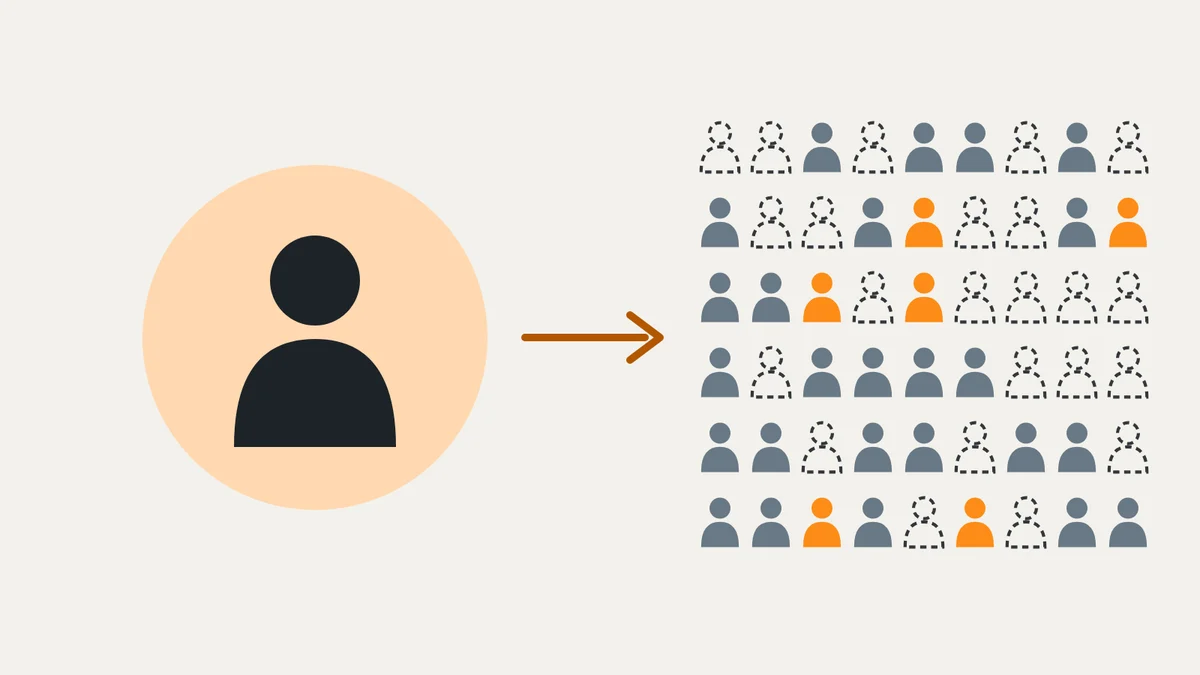
Teams partner with a local business, student organization, or nonprofit, learn its business, and narrow its needs down to a single marketing problem worth answering.
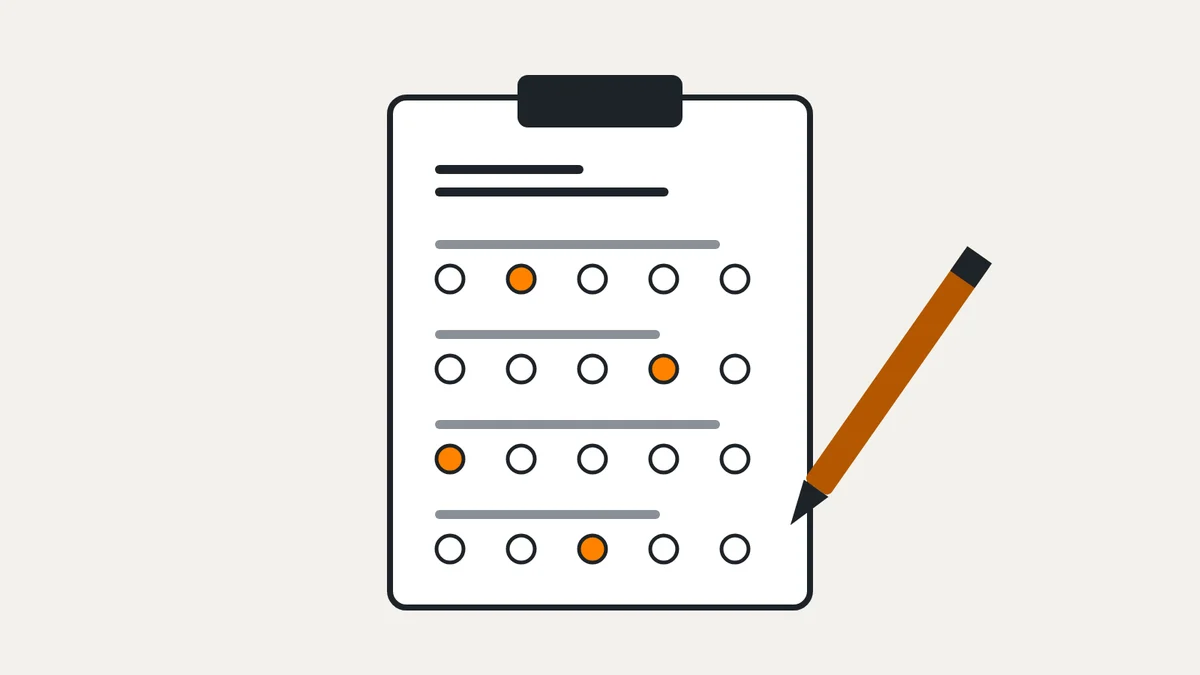
They write the survey that would inform the client's decision, and they have to justify why each question belongs and what it will tell the manager.
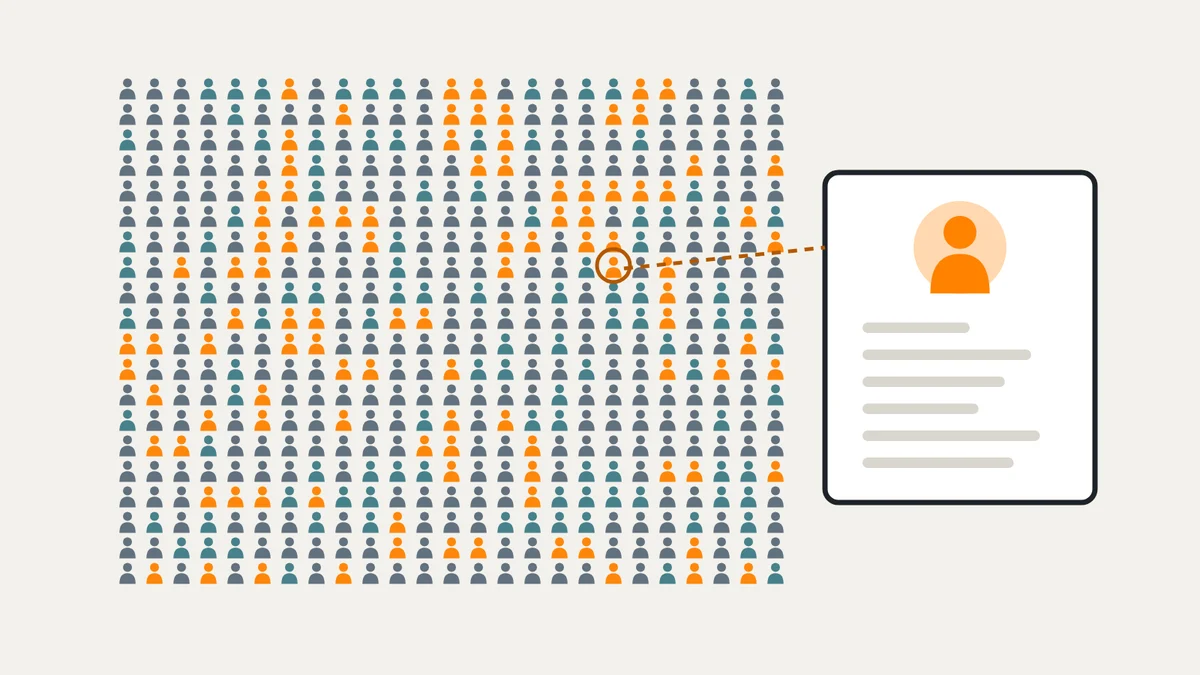
Drawing on conversations with the client and outside research, they build a pool of 500 AI-generated respondents in R, each with its own profile, and have every one of them take the survey.
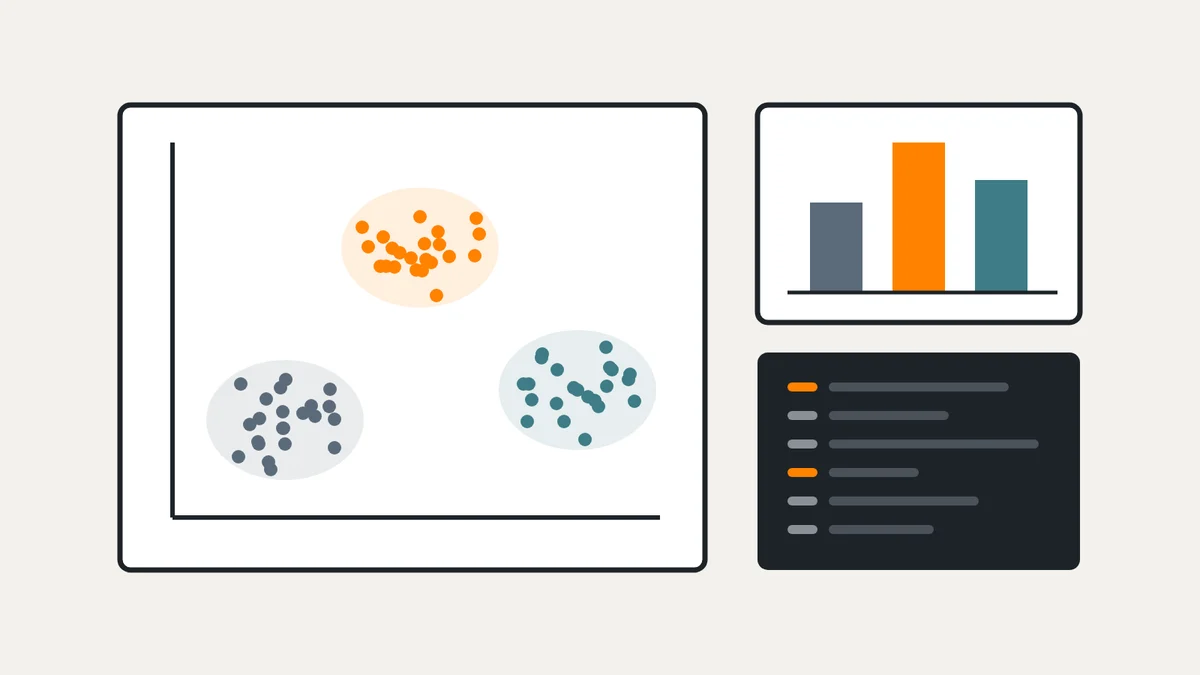
They segment the respondents, model their behavior, and test for differences between groups, then turn the results into recommendations the client can act on.
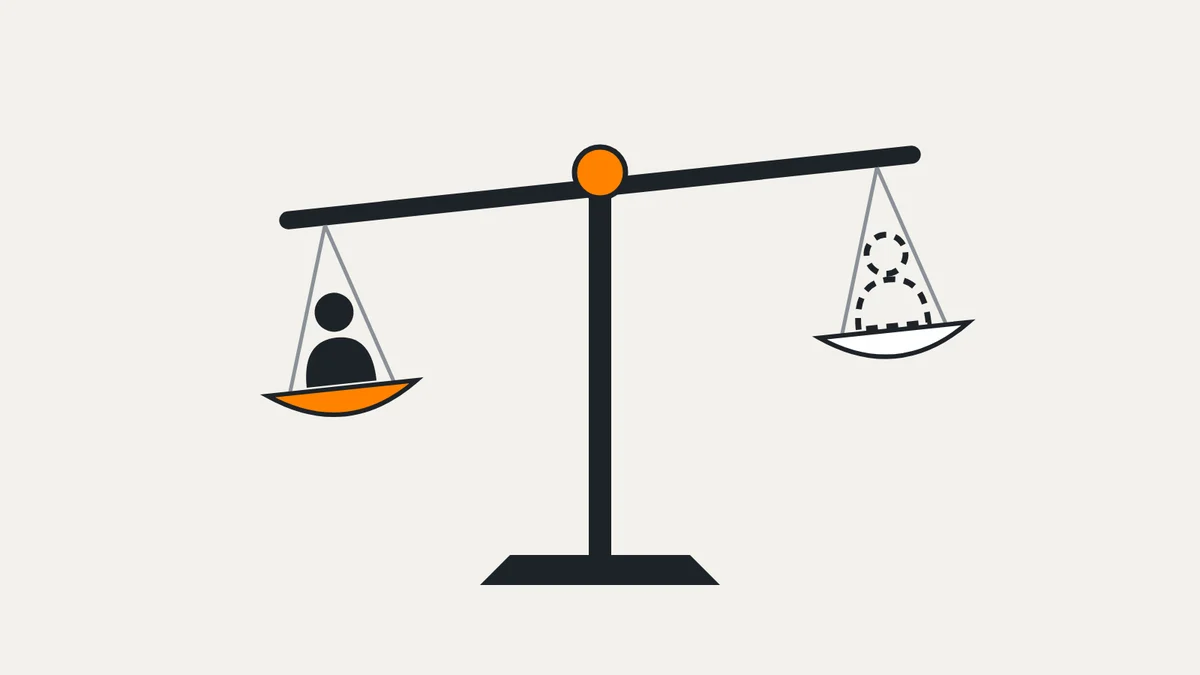
The final presentation and report do two jobs: advise the client, and assess whether synthetic respondents are a viable substitute for real ones, including where they mislead.
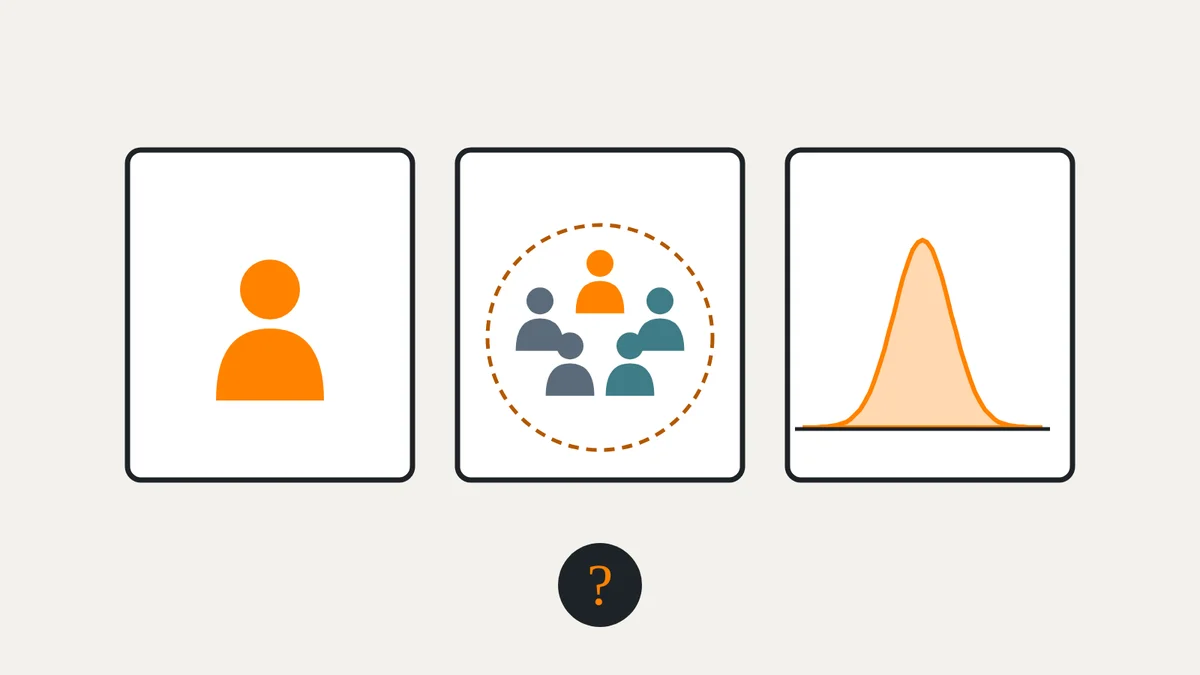
Class covers the case for and against synthetic respondents, what replicates and what doesn't, and why a difference between synthetic groups can come from how the personas were built rather than from real customers. Is the duplicate a person, a segment, or a distribution?